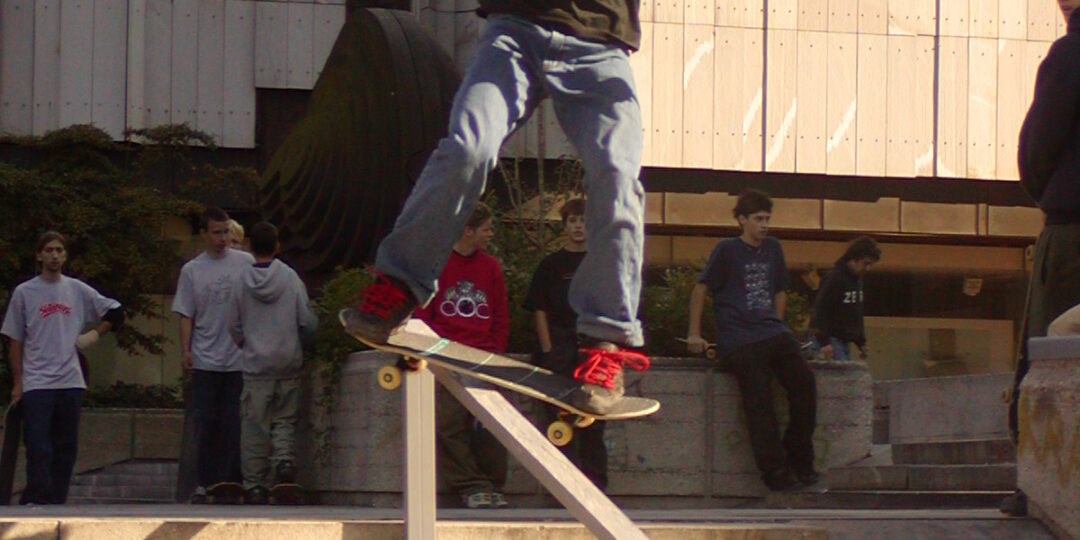
Skateboarding has evolved from a makeshift pastime into a global sport with Olympic recognition. Its origins lie in the 1950s when Californian surfers attached roller‑skate wheels to wooden planks so they could “sidewalk surf” when the waves were flat. Early boards were simple and crude, but the community quickly grew and by 1963 the first organised competitions were held.
Technological breakthroughs in the 1970s transformed skateboarding into a discipline in its own right. Frank Nasworthy’s urethane “Cadillac” wheels replaced clay and metal wheels, giving riders better grip and smoother rides. Larry Stevenson’s kicktail design allowed skaters to lift the front of the board and perform ollies and other tricks, while surf-inspired crews like the Z-Boys pioneered aggressive carving and vertical manoeuvres on empty swimming pools. This era laid the foundations for both street and transition skating.
During the 1980s and 1990s the culture diversified. DIY ramps and backyard halfpipes flourished, and vertical skating stars like Tony Hawk pushed the boundaries of aerial tricks. At the same time, street skaters explored urban terrain with technical flip tricks, leading to the rise of companies like Powell Peralta and the popularisation of videos that showcased a gritty, creative style. Skateboarding became a lifestyle and artistic expression for many youth.
By the 2000s and 2010s, skateboarding moved into the mainstream. Cities built dedicated skateparks and the industry expanded into clothing, music and film. Longboards and electric skateboards brought new audiences, while the internet allowed global communities to share footage and progress. In 2016 the International Olympic Committee announced that skateboarding would debut at the Tokyo Games, and in 2021 athletes like Yuto Horigome and Momiji Nishiya won the first Olympic medals. This milestone signalled worldwide acceptance of a culture that began as a DIY hobby.
The evolution of skateboarding reflects creativity, resilience and constant innovation. What started as “sidewalk surfing” has become a diverse activity with art, sport and community at its core. As technology and participation continue to evolve, skateboarding’s future will likely see more inclusive competitions, advanced gear and new styles that honour its roots while pushing beyond them.